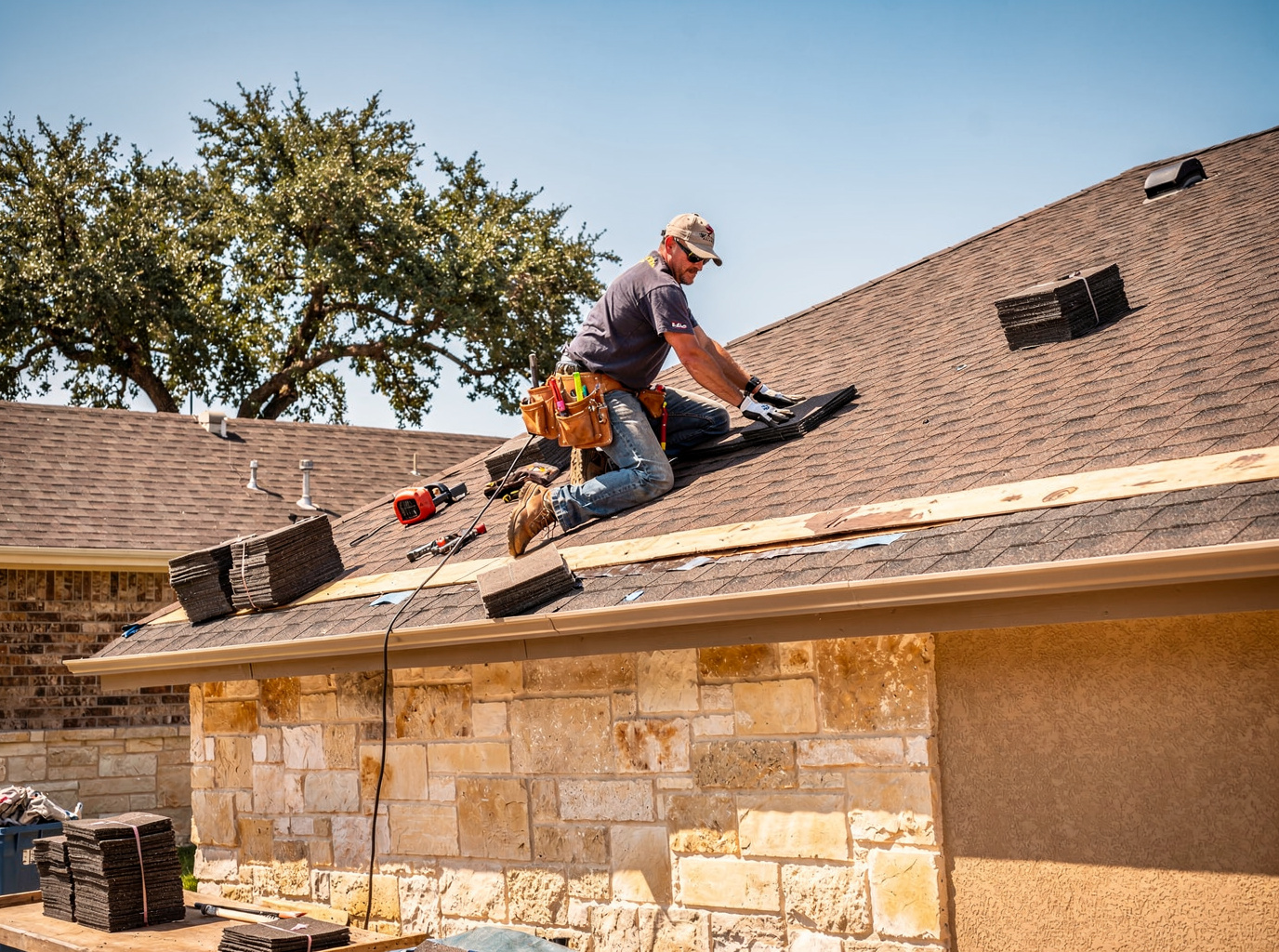
Independent local providers address roof replacement on homes in older San Antonio neighborhoods such as King William and Southtown, where many structures date back decades and feature original decking that requires careful inspection before new materials are installed. Hot summers accelerate wear on asphalt shingles through repeated expansion, while mild winters bring occasional heavy rains that can expose flashing weaknesses around chimneys and valleys common in Bexar County builds. Providers select underlayment and ventilation suited to these conditions to prevent moisture issues that arise from the region's soil movement and humidity shifts.
In areas like Alamo Heights and near the River Walk, roof replacement often involves matching architectural details on historic or mid-century homes without altering drainage patterns that handle sudden downpours. Providers evaluate attic insulation levels because summer heat buildup can shorten the life of replacement roofs if airflow is inadequate. Edge cases include properties with multiple layers of existing roofing that must be removed to meet local weight and code expectations, a step that changes the scope on many Bexar County jobs.
Terrain around Downtown and Southtown can include slight slopes that affect material staging and debris removal during replacement. Independent local providers note that tree cover in these neighborhoods increases the chance of organic debris accumulation, which accelerates granule loss on shingles. Proper ridge vent installation helps manage the temperature swings between hot days and cooler nights that stress new roofs in this climate.
Technician insight
In San Antonio, the thing that catches most people out with Roof Replacement is how older homes in King William and Southtown often have multiple layers of roofing that hide deck rot from years of summer heat and poor attic ventilation, turning a straightforward job into one that requires extra deck work once the layers come off.
King William District Replacement
A home in the King William neighborhood showed widespread shingle curling and leaks after repeated summer heat cycles. Independent local providers found deteriorated decking beneath two older layers during removal. They replaced the affected sections, added proper underlayment, and installed new roofing with updated ventilation. The outcome addressed ongoing moisture entry tied to Bexar County weather patterns.
How it works
- 1
Initial Assessment
Independent local providers examine the existing roof structure, deck condition, and ventilation on the property in San Antonio neighborhoods.
- 2
Material Planning
Providers review options suited to Bexar County weather patterns and home style, focusing on durability in hot summers.
- 3
Preparation and Removal
Old roofing layers are taken off, deck repairs are completed, and underlayment is applied to address local moisture concerns.
- 4
Installation and Finish
New roofing is installed with attention to flashing, vents, and seals that withstand San Antonio's seasonal conditions.
- 5
Final Walkthrough
Providers review the completed work with the homeowner to confirm proper integration with the existing structure.
Pricing
Project costs depend on roof size, materials, and home specifics in the San Antonio area.